

IT Solutions for Business GrowthAustralia0424 208 911South Africa083 419 4851[email protected]

Maritime

Keep vessel, port and shore-side information connected.

Maritime operations bring together vessels, shore teams, service providers and documents that move on different schedules. BCC helps improve the business systems supporting that coordination, with connected applications, practical AI document handling and cyber security work focused on clear access boundaries and operational continuity.

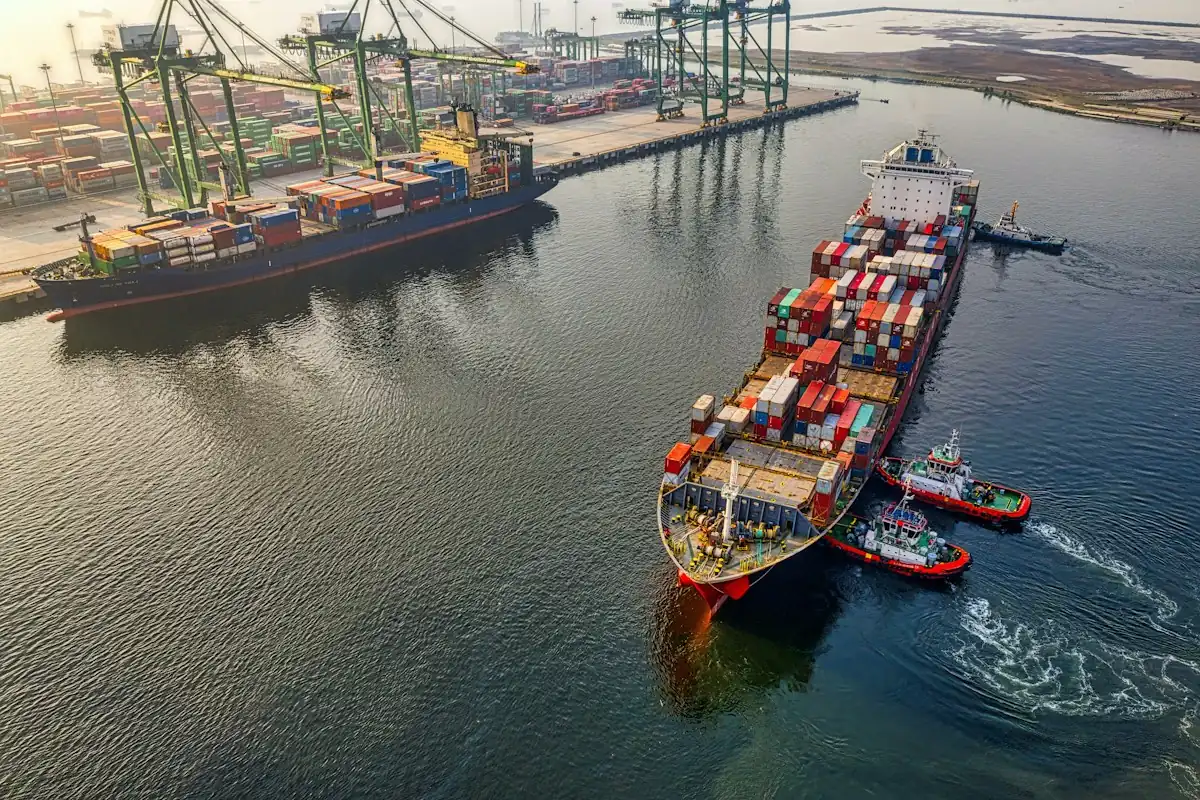
Container ship entering a port beside loading cranes
Technology for maritime businesses

The work behind the technology

Keep the shore-side picture clear when updates arrive unevenly.

Schedules, service records and operational documents may come from different organisations with varying connectivity. Teams need to distinguish a confirmed update from an assumption. We help organise the information flow and make missing records, delayed updates and outstanding actions easier to see.

  • Connect vessel and voyage references across business records.
  • Support document handovers between shore teams and service partners.
  • Design for delayed connections and clearly defined system boundaries.

How BCC can help

Expertise shaped around your operations.

Practical applications of AI, cyber security and software for maritime.

Artificial intelligence

Prepare maritime documents for faster review.

Use AI to classify incoming records, extract agreed details and summarise correspondence. We retain references to the source material and route uncertain results for checking, so teams can work through large volumes of information without losing the context behind a field or summary.

  • Extract vessel and voyage references from operational documents.
  • Organise service reports and supporting attachments for review.
  • Summarise outstanding requests across a port call's correspondence.

Cyber security

Strengthen business access across distributed teams.

Review shore-side identities, business devices and remote access with your relevant operational providers. BCC helps clarify responsibilities and recovery priorities, recognising that vessel systems, navigation equipment and office applications have different owners, operating constraints and technical requirements.

  • Review external provider access to business systems and documents.
  • Protect laptops and accounts used by travelling operational staff.
  • Plan restoration of essential shore-side administration systems.
Application & software development

Connect shore-side coordination and service records.

Build portals and workflow tools around supported maritime business systems. We focus on consistent references, document status and clear ownership of follow-up work, accounting for delayed synchronisation and the need to reconcile updates when a connection becomes available again.

  • Create vessel service registers linked to documents and actions.
  • Build partner portals for document requests and status updates.
  • Connect supported scheduling, CRM and operational reporting sources.

Start with the work. Build from there.

  1. 1

    Trace one shore-side coordination process

    Map a port call, service request or document handover across the organisations involved. Identify reference conventions, information owners and the effects of delayed or incomplete updates.

  2. 2

    Test the disconnected scenarios

    Prototype with realistic documents and uneven update timing. Verify how users recognise stale information, resolve conflicting records and continue necessary work when a source is unavailable.

  3. 3

    Roll out with provider coordination

    Agree access boundaries, operating windows and support responsibilities with the relevant teams. Introduce a manageable workflow first, then extend it when the information flow is understood.

Beyond the first release

Keep your technology working as your business evolves.

New systems need a plan for day-to-day operation. We can bring application support, cloud hosting and managed IT into the engagement, with responsibilities and priorities agreed around your team.

Before we begin

Questions from your sector.

Have something else in mind?
Can these tools work with intermittent vessel connectivity?

The design can account for delayed updates where the underlying platforms allow it. We assess synchronisation, local access and conflict handling requirements before deciding what can work reliably when connectivity is limited.

Will the work extend into navigation or vessel control systems?

The examples here focus on supporting business applications and shore-side coordination. Navigation and vessel control systems require a separate scope, with the equipment providers and appropriate maritime specialists involved.

Bring more clarity to a maritime information flow.

Tell us where documents, updates or service records lose their connection. We can help scope a practical improvement for the business systems around your operation.

Start a conversation